



Hopefully this will answer your questionOriginally Posted by NissanGQ4.2

Its my understanding that electrolysis is caused by static caused by different metals touching each other, water being a conductor in a cooling system it connects the different components which are made from different steel's like cast iron, aluminium, brass, copper and galvanized steel. Most coolants today are anti freeze, anti boil and inhibitor mixes, the glycol lowers the freezing point and raises the boiling point of the water and the inhibitor is a form of oil which is meant to prevent corrosion and contains the reserve alkalinity of the coolant to neutralize electrolysis by putting a film over all the components to insulate them from each other. I'm not a chemist by any means thats my understanding of coolant and how its works, too much or too little coolant in your cooling system can cause different faults.
You will also notice there is coolant for cast iron blocks ( usually green ) and coolant for aluminum blocks (usually red ) with the green coolant having 980ml/l ethylene glycol and the red 1060g/l ethylene glycol, obvious coz of having more aluminium in the system.
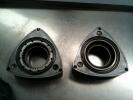
This is a coolant i have used in systems with aly blocks and my rx7 that i have put an aly rad in and had alot dramas with electrolysis eating thru the welds of the radiator and going thru 3 rads in the first month just cause i used the green coolant which it came out with from factory and finally solving that issue with this coolant.ImageUploadedByMotorculture1391388848.253465.jpgImageUploadedByMotorculture1391388857.134269.jpg

 Reply With Quote
